Operations

Delta Prima Metering production operations: name plate marking, testing laboratories, assembly, and finished product release on one process page.

Loading page content

How a meter moves through our plant

Every unit that leaves Delta Prima Metering follows the same sequence. Identity is applied first, then electrical and functional tests, then mechanical assembly, then a finished-product check before packing and dispatch. The order keeps serial numbers, test records, and hardware together from the first mark to the last carton.

Delta Prima Metering manufacturing floor in Shah Alam

Give every meter a lasting identity

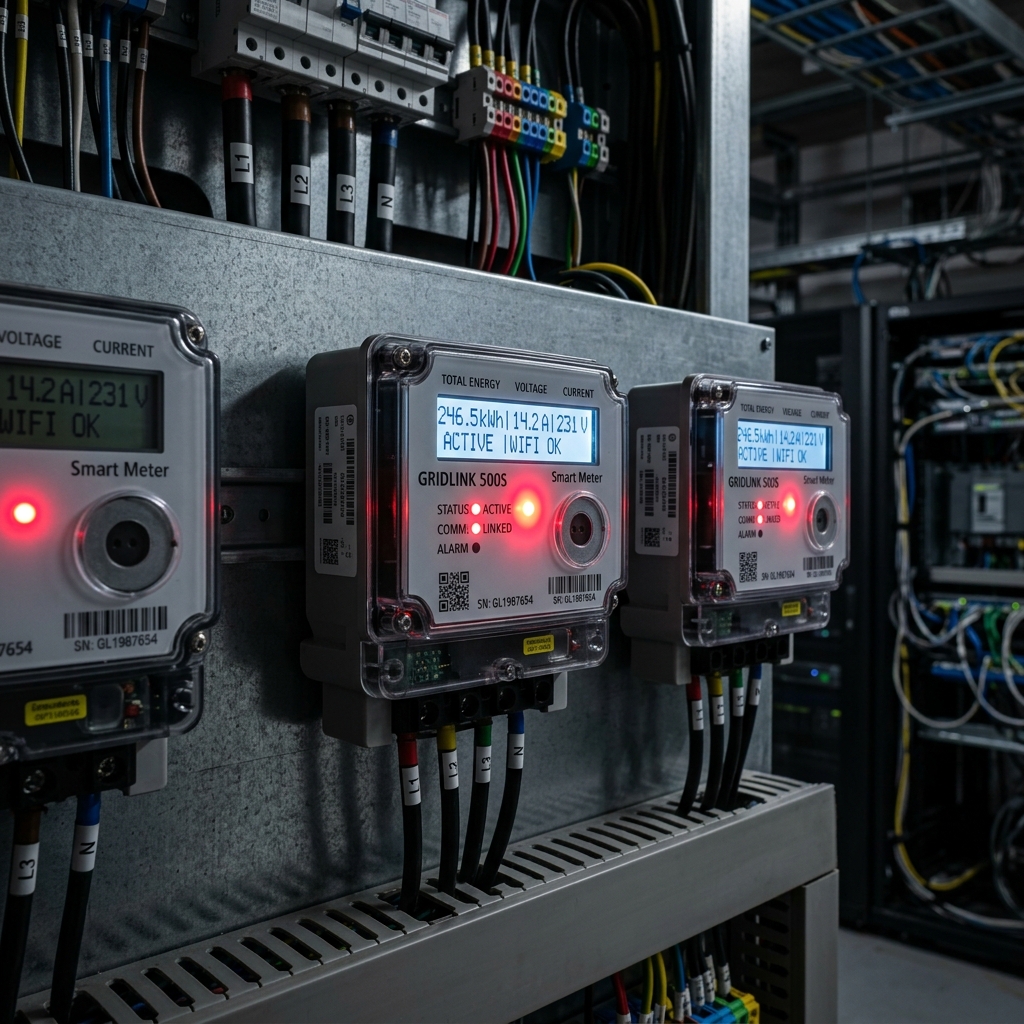
The name plate section is the first production gate. Before any accuracy test, each meter receives its type designation, serial number, voltage and current ratings, accuracy class, and required approval marks. That identity follows the unit through the laboratory, assembly, and dispatch records.

Type, serial, and rating data printed or laser-marked to a fixed template.
Statutory and utility marks applied only from approved artwork.
Barcode or 2D code linked to the production lot and test file.
Visual check for contrast, alignment, and missing characters before release to the lab.
Electric meter face with rating and identity markings
A

What is marked

Manufacturer, model, serial number, year, rated voltage and current, frequency, accuracy class, impulse withstand, and communication variant where applicable. SIRIM, Standards Malaysia, or utility-specific marks are added only when the type approval file allows them.
B

How it is controlled

Artwork is locked to the current bill of materials. Operators work from a job ticket that names the product family and lot. Rejects with unclear marks are recoded or scrapped so a duplicate serial never enters testing.

C

Why it comes first

Laboratory results are stored against the serial. If the plate is applied later, test data can be attached to the wrong unit. Marking first keeps the paper trail and the hardware as one record from this point onward.

Prove the meter before it is built into a finished unit

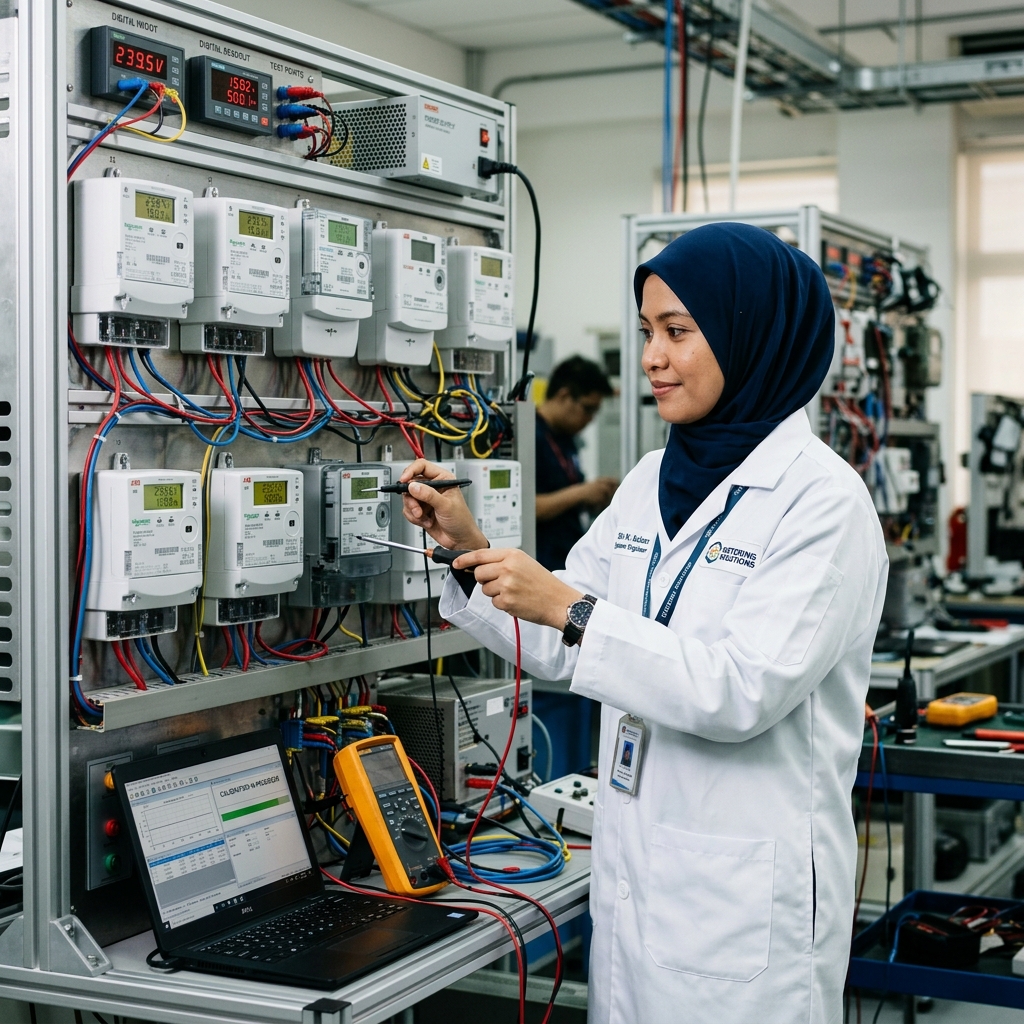
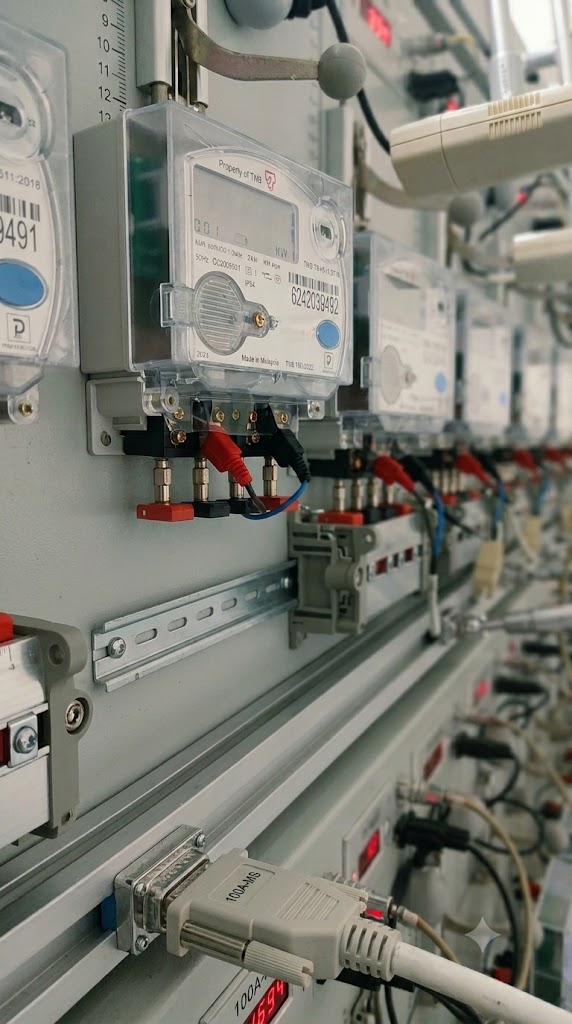
Testing laboratories sit between name plate marking and assembly. Operators load identified meters onto automated benches and run the programme required for that type — accuracy at defined loads, starting current, no-load, insulation, and communication where the product includes RF or cellular modules.

Reference equipment traceable to MS ISO/IEC 17025 practice used in the accredited lab.
Results stored against the serial applied in the name plate section.
Failing units quarantined; they do not proceed to assembly.
Climate and supply conditions held within the work instruction for the test method.
Delta Prima Metering laboratory test benches
A

Accuracy and starting tests

Active and reactive error is measured at the loads specified for the class. Starting current and creeping tests confirm the meter registers energy only when it should. Out-of-limit results stop the lot until the cause is cleared.

B

Safety and insulation

Dielectric and impulse checks protect later assembly work and field installation. A meter that cannot hold insulation is not a candidate for housing, sealing, or dispatch.

C

Communications, when fitted

RF and cellular variants are exercised for registration, firmware identity, and basic uplink behaviour before the module is locked into the finished housing on the assembly line.

Build only what the laboratory has already passed

Assembly receives meters that already carry a serial and a pass record. Operators fit the base, cover, terminal block, communication module, and seals in a fixed station order. Torque, polarity, and connector seating are checked at the station that performs the work, not postponed to packing.

ESD-controlled handling for boards and communication modules.
Torque and seal stations with defined values for each product family.
Serial on the name plate matched to the assembly job ticket.
In-line visual inspection of cover fit, terminal screws, and anti-tamper features.
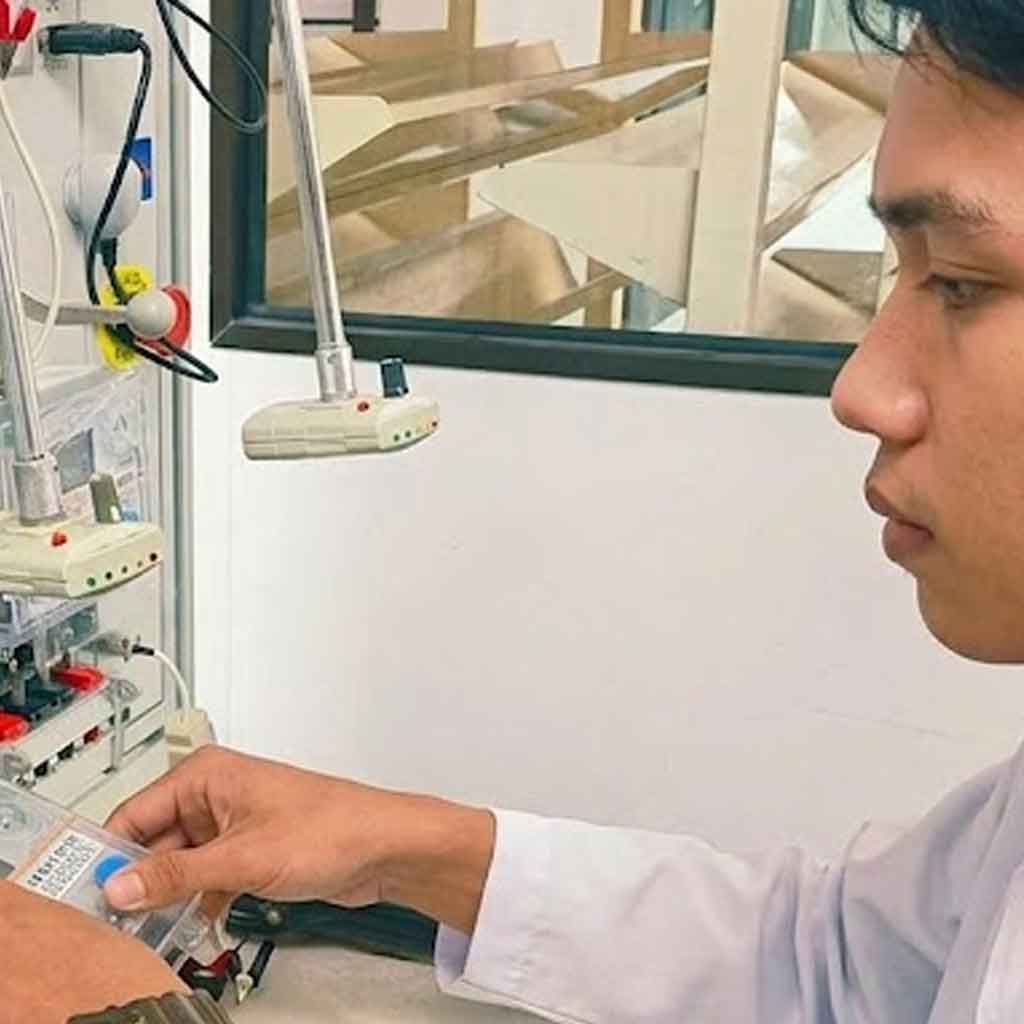
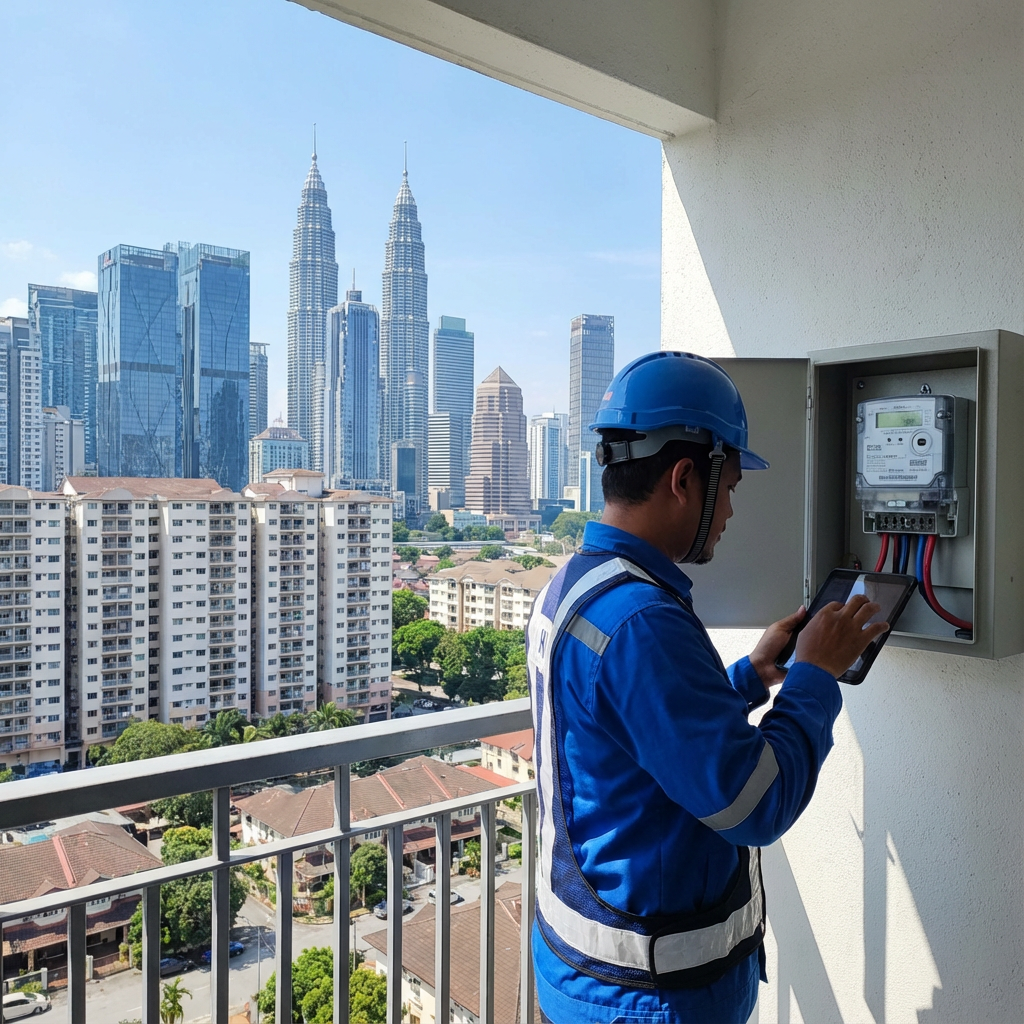
Technicians assembling metering equipment
A

Mechanical build

The meter body, terminal cover, and mounting features are assembled to the drawing. Fasteners are driven to the specified torque so field installation does not loosen a factory joint.

B

Modules and wiring

RF or cellular modules, auxiliary terminals, and display assemblies are seated and locked. Cable dress and connector clicks are part of the station checklist, not an optional extra.

C

Sealing

Utility and manufacturer seals are applied only after the build is complete. A sealed meter that later fails finished-product inspection is opened under quarantine, not patched on the packing table.

Release only a complete, inspectable meter

Finished product is the last production stage. Inspectors confirm the name plate, seals, accessories, and packing list match the order. Serials are scanned into the shipping lot. A meter that is missing a seal, a test record, or a carton label does not leave the plant.

Appearance, cover, terminals, and seals checked against the product standard.
Serial, type, and quantity matched to the customer packing list.
Protective packing, humidity barrier, and handling marks as specified for the route.
Lot release signed only when inspection and documentation are complete.
Finished metering products prepared at Delta Prima Metering
A

Final inspection

The inspector looks at the same unit the laboratory and assembly teams already passed: identity, workmanship, accessories (seals, screws, documentation), and any customer-specific marking. Defects return the unit to the responsible stage, not to a side repair that skips records.

B

Packing

Meters are packed by type and destination. Carton labels repeat the serial range and product code so receiving teams at the utility can check the shipment without opening every box.

C

Dispatch

Released lots move to storage or direct transport with the test summary and packing list. After this point the plant record is closed; any field return is handled as a separate quality case, not as unfinished production.